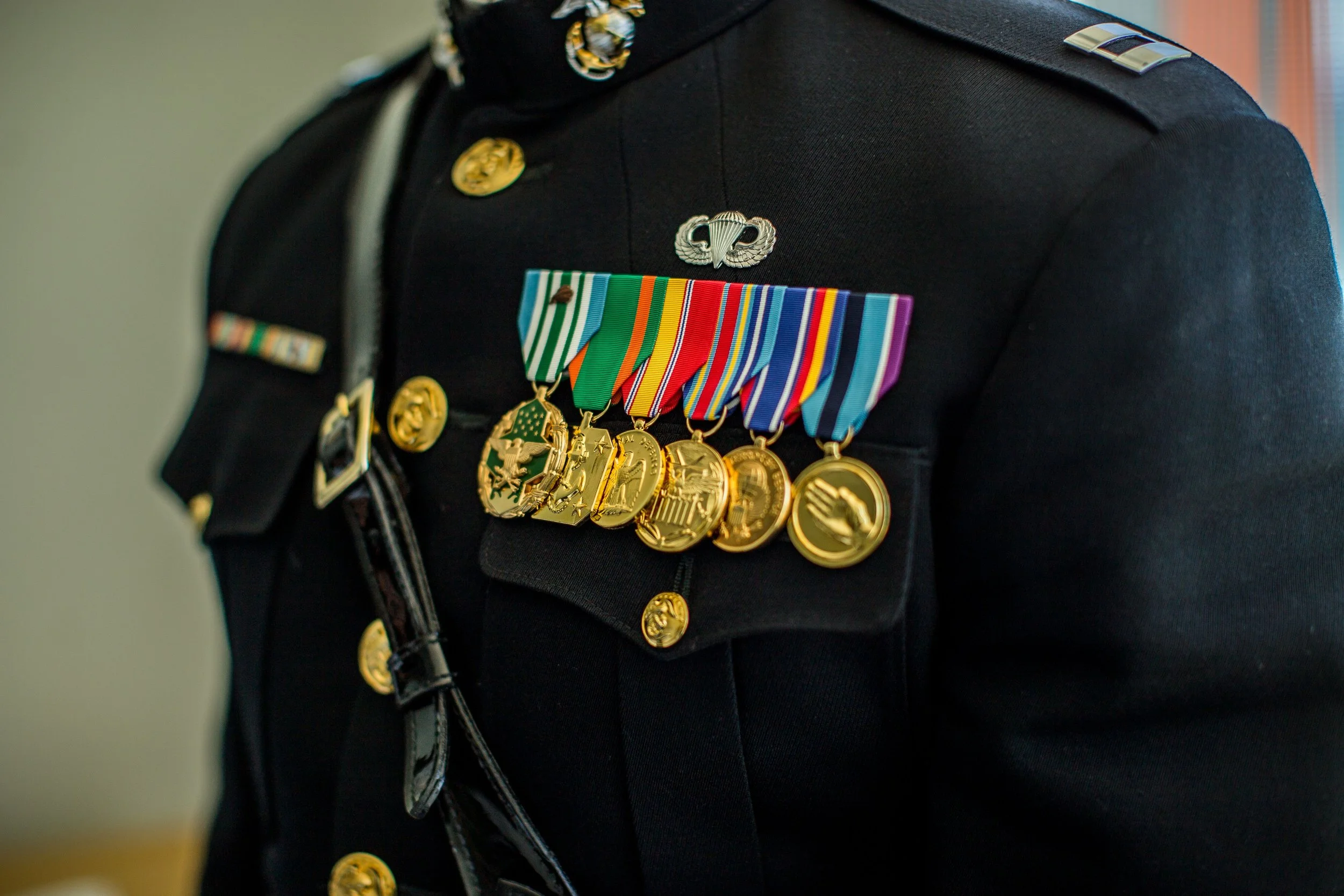
Honor for the Military
While monuments and medals are designed to honor their subjects, the importance of honor itself has been lost. With the rise of pacifism during the Vietnam War, praise for the military became politically incorrect and the honor culture of the early 20th century collapsed. In this vacuum rose the contemporary practice of offering veterans comfort instead of meaning. Honor has become perfunctory performance and shows of honor are divorced from any real sense of purpose and value.
Military parades and other expressions of support receive relatively little funding and public approval, subordinated to other more “practical” concerns. Recovering a culture of honor for the military begins with an acceptance of the duty and purpose of honor. Far from being merely ornamental, honor allows difficult work to be done. This profoundly practical perspective links the honorific proclamations of Truman, Kennedy, Johnson, and Nixon. As John F. Kennedy’s Armed Forces Day proclamation of 1961 expressed it, “the strength of our armed forces rests not alone upon their active and reserve members, our industrial productivity, and our human resources, but also upon the understanding and support of an informed American people.”
Photo by Caleb Oquendo.